Is Your Hill Country Home Secretly German? 5 Architectural Clues

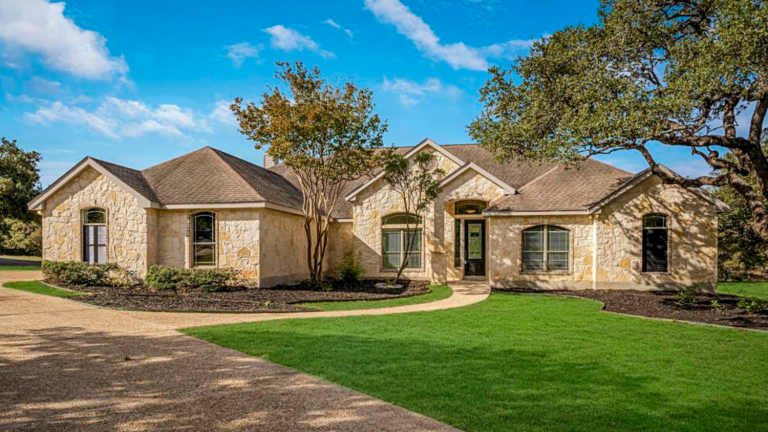
Limestone exteriors, exposed wooden beams, welcoming porches—some of the most recognizable features of Texas Hill Country homes have connections to an architectural heritage that stretches back nearly two centuries. From the historic streets of Fredericksburg and New Braunfels to the charming buildings of Boerne and communities throughout Central Texas, German settlers left a lasting impression on the region’s architecture.

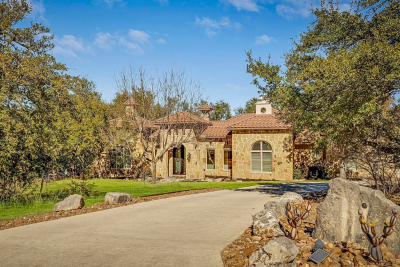
But here’s what’s especially interesting: that influence isn’t limited to historic homes. Many of today’s custom homes and new builds embrace similar materials, architectural forms, and design details, pairing Old-World character with contemporary luxury.

With Oktoberfest celebrations bringing German heritage into focus each October, it’s the perfect time to explore five architectural details that connect the Texas Hill Country’s past with its present.

How many do you recognize?

1. Thick Native Limestone

THEN

Thick limestone walls provided sturdy construction and helped moderate indoor temperatures before modern air conditioning.

NOW

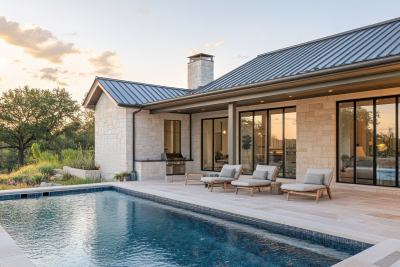
Limestone facades, statement fireplaces, and accent walls bring natural warmth to modern Hill Country homes.

Early German settlers made extensive use of locally available limestone to construct durable homes, churches, and commercial buildings. Skilled masonry helped establish a regional tradition that continues to influence contemporary architecture, even though modern limestone is often used as a decorative veneer rather than a structural wall.

2. Exposed Timber Beams (Fachwerk)

THEN

Traditional timber frameworks provided structural support, with stone, brick, or adobe filling the spaces between the wooden beams.

NOW

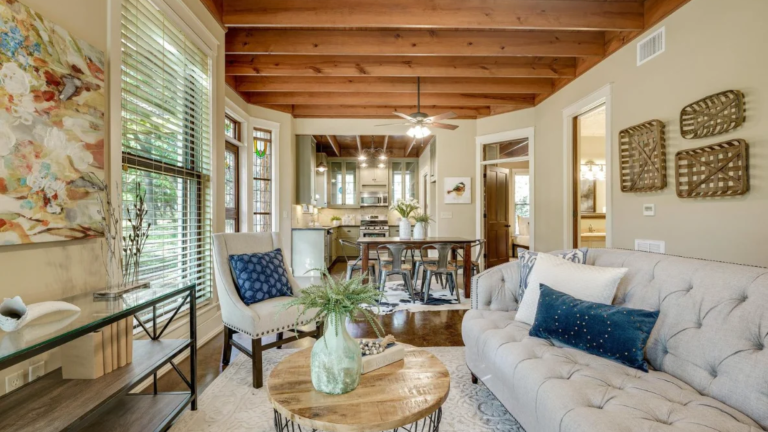
Exposed ceiling beams and timber accents bring rustic warmth and architectural character to modern open-concept interiors.

Known as Fachwerk, this traditional German construction technique combined a structural wooden framework with locally available infill materials. Early German-Texan builders adapted the method to their new surroundings, creating distinctive homes that reflected European craftsmanship and Texas resources. While today’s decorative beams aren’t necessarily direct descendants of Fachwerk construction, they share an appreciation for natural materials and visible craftsmanship.

3. Sunday Houses & Welcoming Porches

THEN

Small weekend residences gave rural families a place to stay, gather, and socialize during visits to town.

NOW

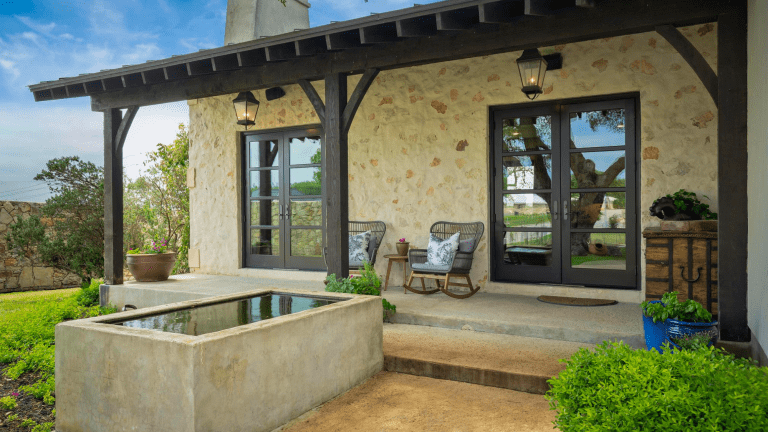
Covered porches, shaded terraces, and outdoor kitchens create inviting spaces for relaxing and entertaining.

In Fredericksburg, German-Texan farming families built small secondary residences known as Sunday houses. These modest homes provided accommodations for weekend trips into town to attend church, conduct business, and visit neighbors. Some featured compact porches, sleeping lofts, and exterior staircases. Although today’s elaborate outdoor living spaces aren’t direct descendants of Sunday houses, both reflect the importance of comfortable places for family and community gatherings.

4. Simple Forms & Distinctive Rooflines

THEN

Practical floor plans and familiar roof forms reflected traditional building methods, local materials, and everyday needs.

NOW

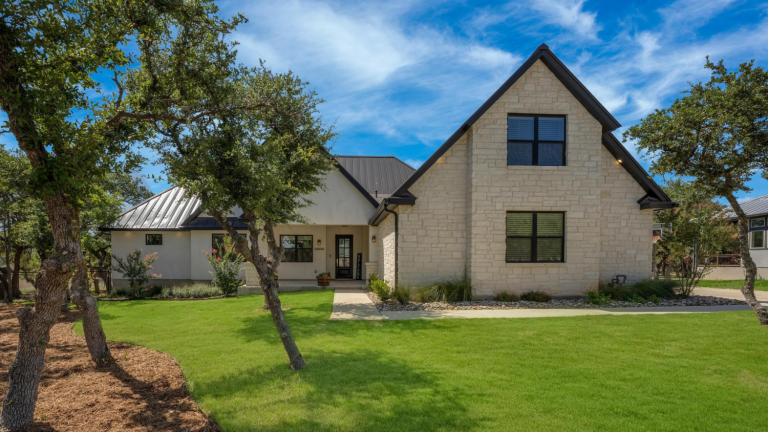
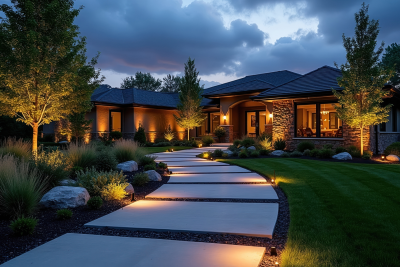
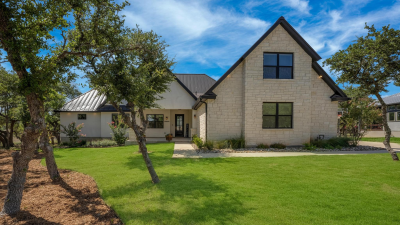
Clean gabled roofs, balanced proportions, and simple architectural silhouettes create timeless appeal in new Hill Country homes.

Early German-Texan builders adapted familiar European architectural forms to Texas conditions. Historic examples include distinctive saltbox and bellcast roof profiles, alongside simpler forms influenced by American construction traditions. Today’s gabled roofs aren’t necessarily German-derived, but their restrained shapes offer a natural complement to limestone, wood, metal roofing, and the clean lines of contemporary Hill Country architecture.

5. Casement Windows With Character

THEN

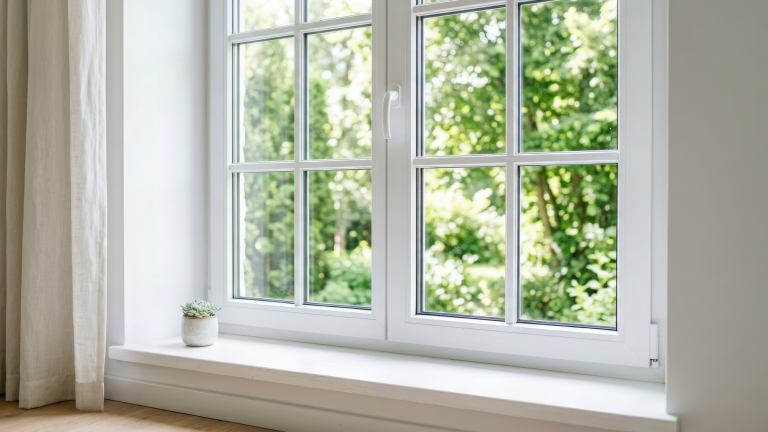
Hinged casement windows offered practical ventilation and complemented the proportions of early German-Texan homes.

NOW

Modern casement windows combine traditional character with clean lines, energy-efficient glazing, and improved functionality.

Casement windows, which swing outward on hinges rather than sliding vertically, appeared in historic German-Texan residences. Their straightforward operation allowed fresh air to circulate through homes before modern cooling systems. Although these windows aren’t exclusively German, they represent a traditional detail that remains popular in contemporary construction, particularly where homeowners appreciate an understated architectural appearance.

Where to Spot German Architectural Influence Today

While modern Hill Country homes offer contemporary interpretations of traditional design elements, the original craftsmanship can still be appreciated throughout Central Texas.

Fredericksburg is particularly well known for its historic limestone buildings, Fachwerk structures, and distinctive Sunday houses. New Braunfels also retains examples of early German-Texan construction, reflecting the influence of the immigrants who helped establish the community. In Boerne, historic Main Street offers another glimpse into this architectural legacy. The Joseph Dienger Building, constructed during the 1880s, combines native limestone with Victorian styling and German influences. Originally home to a commercial business and family living quarters, it remains a recognizable part of downtown today.

Boerne has also made a continued commitment to historic preservation. Established in 1985, the city’s Historic District includes more than 150 properties, with design guidelines and preservation efforts intended to maintain the character of downtown as the community grows.

The influence extends into San Antonio as well. In the King William Historic District, prominent German immigrant families constructed impressive residences during the 19th century. Many embraced fashionable Victorian architectural styles, demonstrating that German-Texan heritage could take many different forms. For more on the distinctive homes and historic neighborhoods of San Antonio, explore our previous feature, Timeless Charm, Modern Splendor: San Antonio’s Historic Revival.

Beyond Architecture: A Heritage Worth Celebrating

Of course, German influence in Texas extends far beyond limestone walls and timber-framed homes. Each October, Oktoberfest celebrations highlight the region’s cultural heritage through traditional food, music, and community gatherings. In Boerne, that appreciation continues into the holiday season with the annual Weihnachts Parade, when illuminated floats travel along historic Main Street.
Surrounded by buildings that reflect generations of local history, these celebrations are another reminder that the region’s heritage remains part of everyday life. For a closer look at Boerne’s festive traditions and the local businesses that make the season special, revisit Boerne’s Holiday Glow: The Growing Sparkle of Local Businesses.

Old-World Roots, Modern Hill Country Living

So, is your Hill Country home secretly German?

Not necessarily—but you might be surprised by how many familiar design details have historical connections to the region’s German-Texan architectural traditions. From classic limestone construction to contemporary interpretations of timber, windows, and rooflines, the Hill Country’s architectural character continues to evolve. For today’s homeowners, that means enjoying the best of both worlds: regional charm and craftsmanship paired with the conveniences and possibilities of modern design.

At Saunders Luxury Group, we appreciate the distinctive architecture, communities, and lifestyles that make the Texas Hill Country an exceptional place to call home. Whether you’re searching for a contemporary custom residence, a new build with timeless character, or an established home with a story of its own, Robin Saunders and her team offer the local knowledge and personalized expertise to guide your next move.

Connect with Saunders Luxury Group to discover exceptional properties throughout Boerne, Fair Oaks Ranch, San Antonio, and the greater Texas Hill Country.

Robert Butrico
Robert Butrico
Boerne, TX
Robin Is an absolute pleasure to work with on a real estate transaction. We appreciated her attention to detail and her assistance throughout the shopping and purchase process. We could not have asked for a better realtor!
Daniel
Daniel
Boerne, TX
Robin and her team bring tremendous care and effort to every real estate transaction, whether you are buying or selling. They are truly invested in their clients’ success and satisfaction. Robin’s trusted network of professionals helps guide you through the complexities of the real estate market with confidence. She is a true professional with exceptional attention to detail and a commitment to ensuring your time and hard-earned money are well spent. I highly recommend Robin to anyone looking for a knowledgeable, trustworthy real estate agent. Ease of reaching staff Very easy
Taylor Chang
Taylor Chang
Boerne, TX
Robin just helped us sell our house in this extremely difficult housing market we are experiencing right now. In 36 days! While the rest of homes on my street still sat. Her marketing and pro professional network really help get your house seen by more eyes and it shows with the traffic we got for our home and getting an offer in 36 days when the average is nearly 3-4 times that for days on market. Robin is definitely the best in the business. She makes the whole transaction as stress free as she can. Her transaction coordinator Kevin also helps keep everything running smoothly behind the scenes! Can’t recommend her enough! If you want your home sold, she’s who you wanna call. Thank you again Robin 🙂
Facebook
Twitter
LinkedIn
Email
Crafted by Lexie Bishop LLC | The FOMO Method ®